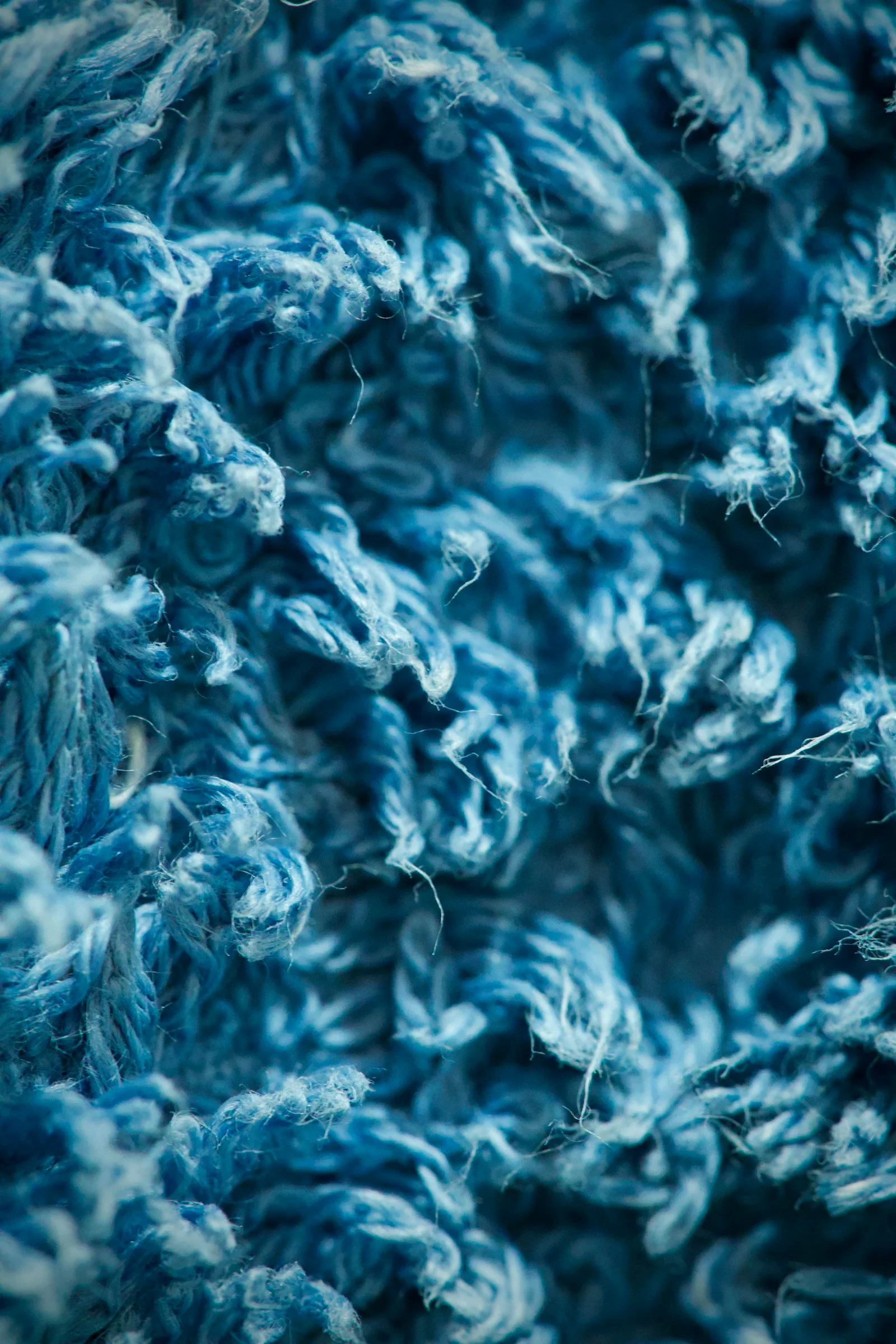
The choice of fabric is one of the most important decisions in garment design. It determines how a piece will drape, how it will feel against the skin, how it will age, and what its environmental impact will be.
At Veloura, we approach fabric selection with the same care we bring to every other aspect of design. We work primarily with natural fibers—wool, linen, cotton, silk—sourced from mills that share our values around quality and sustainability.
Why Natural Fibers
Natural fibers have properties that synthetic materials cannot replicate. They breathe, allowing air to circulate and moisture to evaporate. They regulate temperature, keeping you warm in winter and cool in summer. They develop character with wear, softening and molding to your body over time.
They are also biodegradable. When a garment made from natural fibers reaches the end of its life, it can return to the earth without leaving behind microplastics or toxic residues.
This is not to say that all natural fibers are created equal. Conventional cotton production is water-intensive and relies heavily on pesticides. Wool from industrial farms can involve animal welfare concerns. Silk production has its own ethical considerations.
This is why we work with certified organic producers where possible, and why we prioritize mills that are transparent about their practices. We want to know where our materials come from, how they are produced, and who is involved in their creation.
Heritage Mills
Many of the mills we work with have been operating for generations. They are family businesses that have perfected their craft over decades, producing fabrics of exceptional quality using traditional methods.
These mills are worth supporting not just because of the quality of their products, but because they represent a model of production that values expertise, sustainability, and community. They employ skilled workers, they invest in their equipment and processes, and they take pride in their work.
Working with heritage mills also means access to fabrics that simply are not available elsewhere—unique weaves, custom colors, materials that have been developed and refined over years. This allows us to create garments that are truly distinctive.
Fabric and Design
The choice of fabric shapes every aspect of a garment's design. A structured wool requires different pattern-making than a flowing silk. A heavyweight linen drapes differently than a lightweight cotton. Understanding these properties is essential to good design.
We often begin the design process by working with the fabric itself—draping it on a dress form, experimenting with how it moves and falls, allowing its inherent qualities to suggest silhouettes and details. This is a more intuitive, responsive approach than starting with a sketch and then trying to find a fabric to match.
The result is garments that feel inevitable—where the design and the material are perfectly matched, where nothing feels forced or arbitrary.
Caring for Natural Fibers
Natural fibers require more care than synthetics, but this is not a disadvantage—it is an opportunity to develop a more mindful relationship with your clothing.
Wool should be aired rather than washed frequently. Linen softens and becomes more beautiful with each wash. Silk requires gentle handling but rewards you with a luxurious feel and elegant drape.
Learning to care for your garments properly extends their life and deepens your appreciation for them. It is part of the slow fashion ethos—treating clothing not as disposable, but as valuable objects worthy of attention and care.
The True Cost
Quality fabrics cost more than cheap synthetics. This is simply a fact. But when you consider the full lifecycle of a garment—how long it will last, how it will age, what its environmental impact will be—natural fibers are often the more economical choice.
A linen shirt that lasts ten years and becomes softer and more comfortable with each wear is a better investment than a polyester shirt that pills after a few washes and ends up in a landfill.
This is the calculation we encourage people to make—not just what something costs upfront, but what its true value is over time.